Japanese Knotweed Professional Services

When Japanese knotweed turns up on or near a property, the problem is rarely just the plant itself. The real pressure starts when a sale slows down, a lender asks questions, a buyer wants proof, or a landlord needs formal evidence that the risk is being managed. That is where Japanese knotweed professional services matter - not as a gardening extra, but as a structured property protection service.
For most owners, buyers and property managers, speed and paperwork are just as important as treatment. You need to know what is present, how far it extends, whether neighbouring land is involved, and what can be shown to solicitors, surveyors, lenders or insurers. A vague opinion is not enough. You need a documented position and a clear route forward.
What professional knotweed services should actually cover
A credible service starts with identification, but it should not stop there. The first question is whether the plant is Japanese knotweed at all. Misidentification is common, especially with plants that look similar at certain times of year. False alarms waste time. Missed infestations create much bigger costs later.
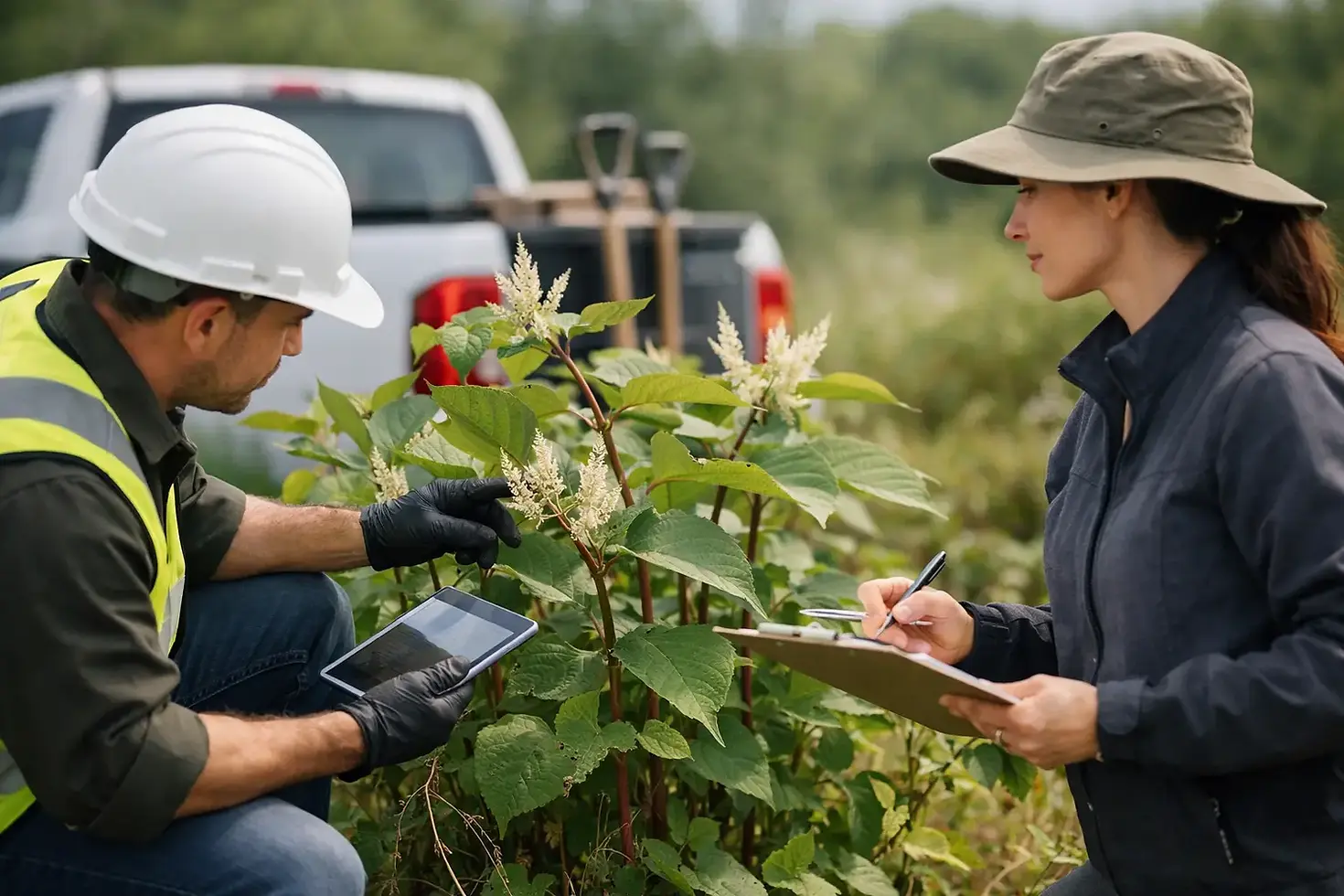
Once identification is confirmed, the next step should be a proper on-site survey. That means more than a quick look over a fence. A useful survey records measured site observations, checks gardens and beds, considers boundaries and neighbouring fence lines, and captures enough photographic evidence to show the position clearly. Mapping matters because knotweed risk is rarely judged on appearance alone. Its location in relation to structures, access areas and adjacent land affects how serious the issue is and how it should be managed.
This is also the point where professional services separate themselves from informal advice. If a property transaction is involved, the report has to stand up to scrutiny. Buyers want confidence. Sellers want to avoid delay. Landlords and commercial owners want a record they can rely on if questions arise later.
Why Japanese knotweed professional services are different from general garden work
Japanese knotweed is often talked about as if it were simply an overgrown patch that needs clearing. That is the wrong frame entirely. Cutting it back, digging at it casually or trying to move material off site without proper handling can make the position worse. It can spread the problem, create disposal issues and weaken your ability to show that the infestation has been managed correctly.
Professional services are built around evidence, control and continuity. The objective is not just to make a site look tidier this month. It is to establish the extent of the issue, put in place an appropriate treatment or removal approach, and create a record that protects property value over time.
That distinction matters most in high-stakes situations. If you are buying a home, you may need formal confirmation before exchange. If you are selling, uncertainty can invite renegotiation or cause a buyer to walk away. If you manage multiple sites, undocumented action is rarely enough from a compliance or asset-management point of view.
The survey stage is where peace of mind begins
A proper survey should answer the practical questions quickly. Is it knotweed? Where is it? How extensive is it? Does it affect neighbouring land? What happens next?
For many property owners, this is the stage that removes the most anxiety. A defined survey product, starting from £199+VAT, gives structure to what is often a very stressful situation. When the output includes a detailed written report, around 20 photographs, mapping and measured observations, you move from guesswork to evidence. That is what allows decisions to be made.
Speed matters here. In property matters, waiting a week or two for paperwork can be enough to derail momentum. Next-day survey reporting is not a nice extra. In many cases it is what keeps a sale, purchase or internal approval process moving.
There is also a financial point worth making. Paying for a proper survey early is usually far cheaper than dealing with drawn-out disputes later. It can prevent wasted legal costs, failed negotiations and repeated site visits caused by incomplete or informal reporting.
What a treatment plan should look like
Once the survey findings are in, the next step should be proportionate management. There is no single answer for every site. The right approach depends on scale, access, location, adjoining land and the purpose of the property. A small domestic infestation near a rear boundary may call for one type of programme. A commercial site with wider spread and operational constraints may need another.
That is why structured treatment plans matter. A five-year interest-free plan gives owners a defined route rather than an open-ended promise. It turns a worrying discovery into a managed process with timescales, records and accountability.
Long-term treatment can feel frustrating to some owners who want the issue gone immediately. But honest professional advice should reflect reality. In many cases, sustained management is the sensible approach because it provides monitoring over time and produces the documentation needed to reassure third parties. Quick fixes can sound attractive, but they are not always the best answer for property protection.
Documentation is often the deciding factor in sales and remortgages
One of the biggest misunderstandings around knotweed is that treatment alone will solve the whole problem. In practice, paperwork is often just as important. Solicitors, lenders and buyers do not simply want to hear that work has been done. They want evidence of what was found, what was recommended and what guarantee supports the plan.
This is where insurance-backed assurance becomes valuable. A 10-year insurance-backed guarantee adds a level of confidence that informal contractor promises cannot match. It shows that the issue is not being handled casually and that there is longer-term protection in place.
For sellers, this can help remove friction from enquiries. For buyers, it provides reassurance that the risk has been taken seriously. For landlords and commercial owners, it supports a documented duty of care to the asset.
Safe disposal and professional removal still matter
Not every case is treatment-only. Some sites require removal and disposal, particularly where development works, access requirements or severe infestation levels make that the better route. But again, this is an area where professional standards count.
Improper handling can spread material across the site or beyond it. Disposal has to be managed safely and in line with the risks involved. The cheapest option on day one can become the most expensive if it creates future liability or forces repeat works.
A specialist service should be clear about when removal is appropriate and when a treatment-led plan is the better choice. Good advice is not about pushing one method for every property. It is about choosing the route that protects the site, the transaction and the owner’s position.
When to act - and why delay usually costs more
The best time to bring in a specialist is as soon as there is suspicion. That applies whether you are a homeowner who has spotted unusual growth, a buyer who wants certainty before committing, or a managing agent dealing with tenant concerns or boundary complaints.
Delay has a habit of turning a manageable issue into a wider one. The plant may spread. Evidence can become less clear if the site is disturbed. Transactions can stall while everyone waits for proper reporting. Neighbours may raise concerns if boundary lines are affected. None of that improves with inaction.
For properties in London and surrounding counties where sales move quickly and lender requirements can be strict, fast professional input can save weeks of uncertainty. It also creates a clear record early, which is often the strongest position if questions arise later.
Choosing the right provider for Japanese knotweed professional services
The right provider should offer more than a visit and a verbal opinion. Look for a clear survey scope, written reporting, photographs, mapping, measured observations, and a defined treatment pathway if knotweed is confirmed. Ask how quickly paperwork is issued and whether the service is suitable for mortgage and conveyancing purposes.
You should also expect clarity on guarantees. Long-term reassurance only means something if it is formal and backed properly. A provider that can move from survey to multi-year remediation with documented continuity is usually far more useful than one that treats each stage as a separate, uncertain step.
This is exactly why specialist firms such as Japanese Knotweed Group Ltd focus on a joined-up process rather than one-off site visits. The aim is to replace uncertainty with a documented, defensible plan.
If knotweed is affecting a decision, a sale or your sense of security in the property, the most helpful next step is usually the simplest one - get the site assessed properly, get the paperwork in hand, and make decisions from evidence rather than worry.


Comments